
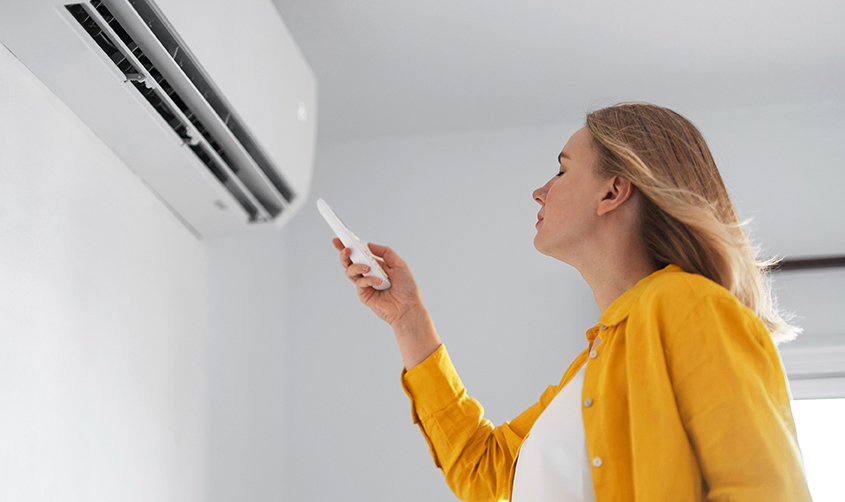
This year, Sydney has had a stop-start summer. One day, we’re sweating bullets trying to find a body of water to cool off in, pumping the air con, and the next, we’re comfortably wearing jumpers. Warm days followed by cool changes and humidity spikes. We really didn’t know what we were going to get, and neither did our ac units.
A system in good condition should handle mild heat without effort. If it already feels weak, it usually means something isn’t working as it should. This article explains why mild summer conditions expose problems early, what you can check yourself, and when it is worth booking a professional inspection.
Why Mild Weather Exposes Air Conditioning Problems
Mild temperatures place less demand on your air conditioner. That is why they are useful for spotting issues.
If a system struggles when the weather is only moderately warm, it is often working harder than it should. Worn components, airflow restrictions, or sizing issues start to show before extreme heat arrives. The system still runs, but performance feels off.
This is also why many breakdowns happen during heatwaves. The strain was already there. Prolonged heat simply pushes the system past its limit.
Common Reasons Your Air Conditioner Feels Weak
Dirty filters and coils
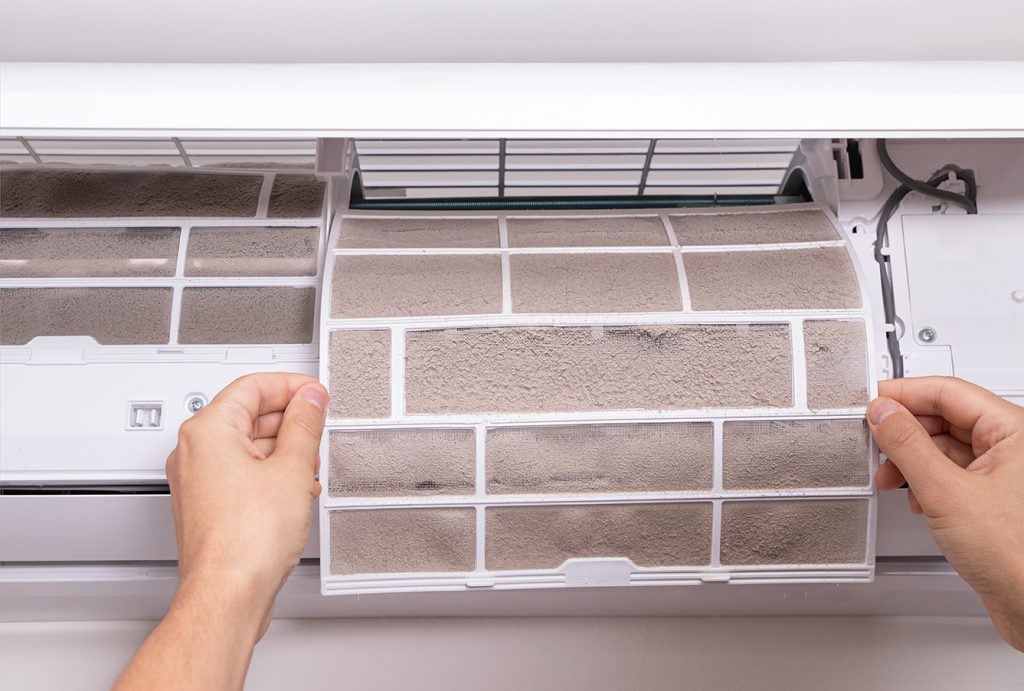
Poor airflow is one of the most common causes of reduced performance. When filters clog or coils collect dirt, the system cannot move air or transfer heat efficiently.
Even in mild weather, this leads to longer run times and weaker cooling. Rooms take longer to cool. Air from vents does not feel as strong as it used to.
Incorrect system size
Sizing problems often become noticeable early in summer. An undersized system may cope on mild days, but only just. It runs longer, cycles frequently, and struggles to reach the set temperature.
This can lead to uneven cooling and constant operation. In many cases, the issue traces back to the original installation. Homes that have been renovated or extended are particularly affected when systems were not reassessed. This is often seen with split-system and ducted-system units.
Age and efficiency decline
Air conditioners rarely fail suddenly. Performance drops gradually over time.
Fans lose efficiency. Sensors drift out of accuracy. Refrigerant performance changes. A system that is ten years old may still operate, but it no longer delivers the output it once did.
Mild summer conditions often highlight this decline before a major failure occurs.
Air leaks and poor insulation
Conditioned air escapes more easily than most homeowners expect. Leaking ductwork, gaps around vents, or inadequate ceiling insulation all reduce cooling effectiveness.
During mild weather, this often shows up as rooms cooling unevenly or comfort fading quickly once the system switches off. These issues are common in older homes and in some newer builds where installation quality varies.
Electrical or component wear
Not every issue causes a complete breakdown. Worn capacitors, ageing motors, or sensor faults can create inconsistent performance.
In mild conditions, this often feels like cooling that comes and goes. Left unchecked, these components are more likely to fail when demand increases.
Signs Your Air Conditioning System Is Underperforming
Most homeowners notice similar early warning signs;
- You may see uneven temperatures between rooms.
- The system may run for longer without much improvement.
- Air may feel warm from vents at certain times.
- Power bills may rise without increased usage.
- New or unfamiliar noises.
When several of these signs occur together, the system is no longer operating efficiently.
Why You Shouldn’t Ignore These Signs
Performance issues rarely resolve on their own. Over time, they lead to higher energy bills, increased wear, and a greater risk of failure during peak heat.
When breakdowns occur during heatwaves, repair availability is limited and wait times increase. Addressing issues early allows for proper diagnosis and avoids emergency callouts when demand is highest.
What You Can Check Before Calling a Technician
There are a few simple checks you can do safely;
- Clean or replace air filters.
- Confirm the thermostat settings are correct.
- Check that vents are not blocked by furniture or curtains.
These steps can resolve basic airflow problems. If performance does not improve, it’s probably time to get someone in to take a look.
When To Book a Professional Inspection
Mild summer conditions are ideal for assessing system performance. Demand is lower than during peak heat, appointments are easier to secure, and technicians have time to properly diagnose issues.
Booking an inspection now reduces the risk of breakdowns later in the season and gives you time to plan air conditioning repairs and maintenance before a fault becomes urgent.
Why Air Con Performance Differs Across Sydney Homes
Local conditions influence how systems perform.
Homes in Western Sydney often face higher heat loads and large open living areas, which expose undersized systems quickly. Coastal homes deal with humidity that affects comfort even when temperatures are moderate. Apartments and older homes may face airflow limits, electrical constraints, or approval requirements that affect upgrade options.
Trusted External Guidance
For licensing and consumer protection information, NSW Fair Trading provides guidance on using licensed air conditioning contractors.
For understanding energy efficiency ratings and running costs, the Australian Government Energy Made Easy website offers clear comparisons.
These resources help homeowners make informed decisions.
The Advice From Local Technicians
A well functioning air conditioner should handle mild summer conditions comfortably. If yours is struggling now, it is an early warning worth paying attention to.
Addressing performance issues early protects comfort, reduces running costs, and lowers the risk of emergency repairs during peak demand. A simple inspection today can prevent bigger problems later.