Real-World Advice from 21 Years in the Trade
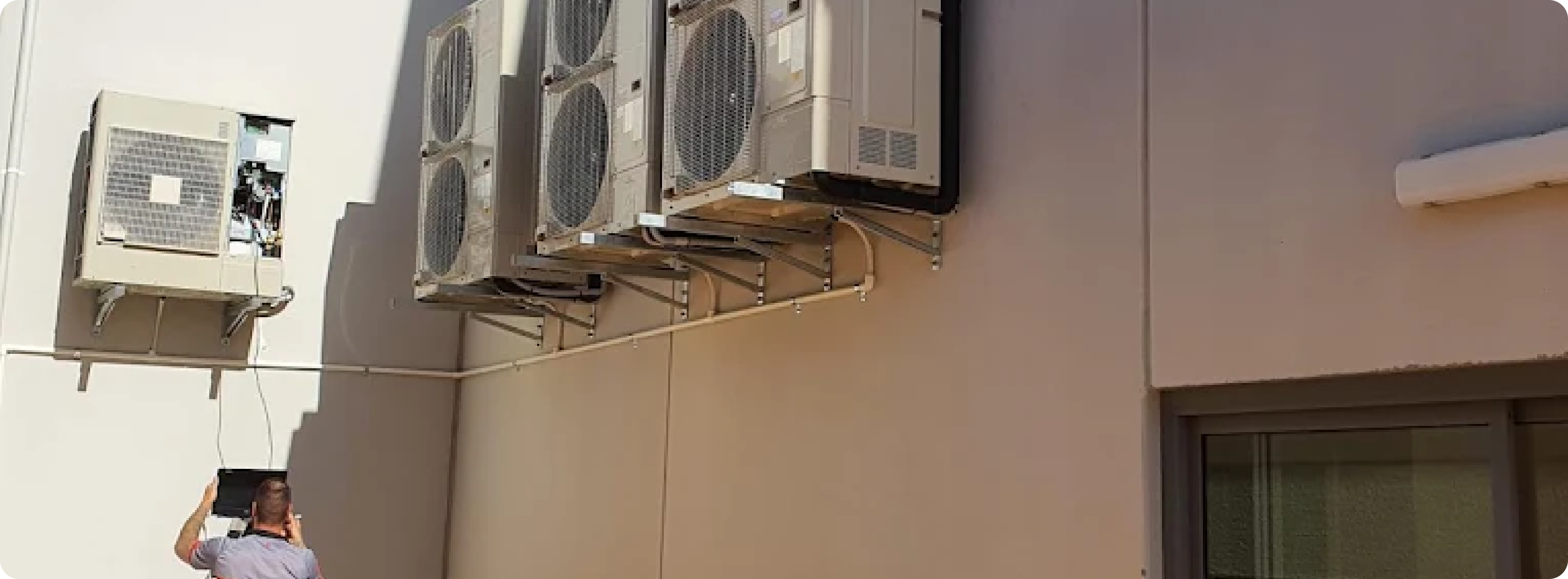
We’ve been working on air conditioning systems across the Illawarra and Sydney for over 21 years. In that time, we’ve seen plenty of “cheap” units fail after just a few summers because they weren’t designed to handle the Australian heat or the salt air along the coast.
At LCS Air, we work for our customers, not the manufacturers. Our team is fully licensed, and we have the experience to install and service any of the leading brands. We can help you work out if a Mitsubishi Electric is the best pick for a quiet bedroom, if a Panasonic is the right way to go for energy savings, or if a Braemar ducted system is the best fit for a larger family home. We’re here to make sure you get a system that’s sized correctly and installed to a high standard so it lasts.
Why We Frequently Recommend Daikin and Fujitsu
While we can install any brand you prefer, we often suggest Daikin or Fujitsu for homes in places like Wollongong, Shellharbour, or Cronulla. There are two practical reasons for this:
- Handling the Salt Air: If you live near the beach, salt air eats through air conditioning coils. Daikin and Fujitsu use specific coatings (like Blue Fin and Gold Fin) that do a better job of resisting corrosion than the budget brands.
- Getting Parts Locally: If a system ever needs a repair, these brands have big warehouses in NSW. It means we can usually get the parts we need quickly, rather than waiting weeks for a delivery from overseas while you’re stuck in the heat.
A Simple Brand Breakdown
| Brand | What It's Good For | Best Use |
|---|---|---|
| Daikin | Air filtration and quality | Homes where asthma or allergies are a concern. |
| Fujitsu | Reliability and performance | Everyday residential homes and investment properties. |
| Mitsubishi | Very quiet operation | Bedrooms, nurseries, and home offices. |
| Panasonic | Energy efficiency | Keeping long-term running costs as low as possible. |
| Braemar | Large-scale cooling | Bigger, open-plan homes that need ducted air. |
More Common Questions from Our Customers
More Common Questions from Our Customers
What’s the real difference between a 'cheap' brand and a 'premium' one?
Should I get a Split System or Ducted Air Conditioning?
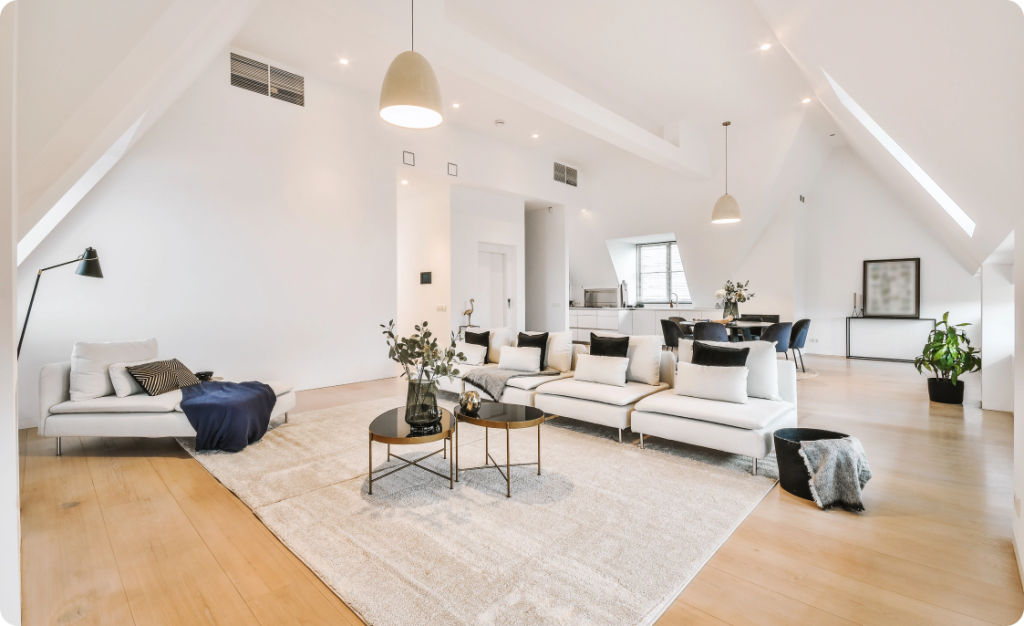
It depends on your lifestyle and your house. If you only spend time in the lounge and one bedroom, a couple of Split Systems are a smart, cost-effective way to go. But if you’re looking to cool a whole multi-room house in the Illawarra heat, Ducted Air is much better. It’s more discreet, adds more value to your home, and allows you to ‘zone’ the air so you aren’t wasting money cooling empty rooms.
How do I know what size (kW) I actually need?
Why is my electricity bill so high when the AC is on?
What is 'Inverter' technology, and do I actually need it?
Almost all modern units from brands like Fujitsu and Panasonic use inverters now, and yes, you definitely want it. Older units were either ‘on’ or ‘off’, like a light switch. Inverters act more like a car’s accelerator; they slow down or speed up to keep the temperature steady. It’s much quieter, more comfortable, and uses significantly less power than the old-style systems.
Need a hand choosing?
We know there’s a lot to consider when you’re looking at a new air conditioner. If you’re not sure which brand or size is right for your place, give the LCS Air team a call. As ARC-licensed technicians (#AU37182), we’re happy to have an honest chat about what will work best for your home and your budget.