
Why Summer Prep Starts in Winter
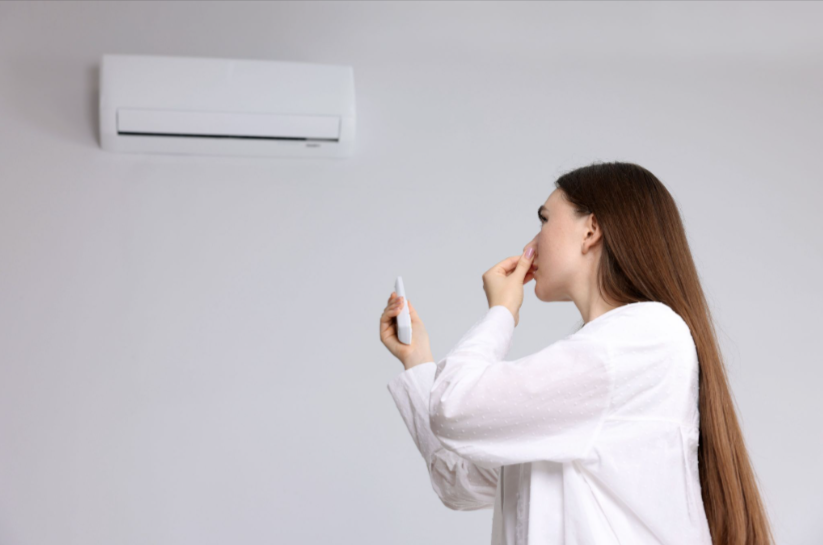
While you’re likely relying on your reverse-cycle aircon to keep you warm right now, the middle of a cold Illawarra winter is actually the best time to ensure your system is ready for the heat. There’s nothing worse than turning your AC on during the first scorching summer day only to find it’s blowing warm air.
The good news: a unit that runs but won’t cool is often suffering from something minor, and sometimes something you can sort out yourself in a few minutes. The trick is knowing which problems are a quick fix and which ones need a licensed technician.
Here’s a practical run-through of why your air conditioner isn’t cooling, starting with the checks anyone can do safely, followed by the faults that require a professional.
Quick Checks You Can Do Yourself
Before you book a service call, rule out the simple stuff. These are safe to check on any split system or ducted AC setup.
1. Check the Mode and Temperature
It sounds obvious, but it’s the most common culprit. Make sure the remote or wall controller is set to Cool (indicated by a snowflake icon), not Fan, Heat, or Auto. Ensure the target temperature is set well below the current room temperature. On ducted systems, confirm the zones for the rooms you are currently using are actually turned on and open.
2. Clean the Air Filters
Blocked filters are the number-one cause of poor cooling (and poor heating in winter). When filters clog with dust, airflow drops drastically, and the unit can’t move conditioned air enough. In severe cases, the indoor coils will ice up, causing the system to stop cooling altogether. Pop open the indoor unit, slide the filters out, and rinse them under a lukewarm tap or vacuum them clean. Aim to do this every few weeks during periods of heavy use.
3. Check the Power and Breaker
If the unit is completely dead or keeps cutting out, check your home’s switchboard for a tripped circuit breaker. A single, random trip can be reset safely. However, if the breaker keeps tripping immediately after you reset it, stop trying. That indicates an electrical fault rather than a simple glitch, and it’s time to call in a professional.
4. Clear the Outdoor Unit
Your outdoor condenser needs plenty of breathing room to dump heat outside. Check on the outdoor unit and ensure it isn’t smothered by garden growth, overhanging leaves, or stored household items. Ensure the delicate metal fins aren’t packed with grime. As a rule of thumb, give the outdoor unit at least half a metre of clear space on all sides.
If you’ve run through all of these checks and your aircon is still blowing warm air, the problem is likely internal.
Common Faults Behind an Air Conditioner That Won’t Cool
Low Refrigerant or a Gas Leak
Your system cools by circulating refrigerant gas. If that gas level is low, it simply cannot pull heat out of the air. Refrigerant operates in a sealed system and doesn’t get “used up” like fuel, so if it’s low, you have a leak. Tell-tale signs include ice forming on the copper pipes of the outdoor unit, a faint hissing sound, or the system running constantly without ever getting cold.
Important Note: This is not a DIY fix. By law in Australia, only an ARC-licensed technician can handle, repair, and top up refrigerant gas.
Frozen or Iced-Up Coils
If you notice physical ice forming on the indoor coils or the outdoor pipework, switch the system off immediately and let it fully thaw out before running it again. Freezing is usually a symptom of either severely restricted airflow (like those dirty filters mentioned above) or low refrigerant. It points you toward an underlying issue that needs addressing before normal operation can resume.
Dirty Coils & Salt Build-Up
Even if you clean your filters religiously, the indoor evaporator and outdoor condenser coils gradually build up a microscopic film of dust, dirt, and, crucially, in coastal environments, salt residue. A dirty coil behaves like an insulating blanket, preventing efficient heat transfer. This forces the unit to run much harder while producing significantly less cool air. Professional coil cleaning is a core part of a standard air conditioning service.
Blocked Condensate Drain
Air conditioners extract an incredible amount of moisture out of humid air, and that water has to drain away safely. A blocked drain line can trigger a safety float switch, causing an automatic system shutdown to prevent property damage. If your system is underperforming or you notice water actively leaking from the indoor unit, a blocked drain is a likely suspect.
Faulty Capacitor, Fan Motor, or Compressor
If the outdoor fan isn’t spinning, or you hear a straining hum but the compressor won’t kick over, you are dealing with an electrical or mechanical component failure. A failed capacitor is an incredibly common, relatively inexpensive electrical repair. A failed compressor, however, is a much larger job. Either way, diagnosing this requires a qualified technician with a multimeter.
An Ageing or Undersized Unit
If your air conditioning system is more than 10–15 years old, or if it was never quite powerful enough to handle the room’s kilowatt load, it will simply struggle on peak summer days. A technician can evaluate the operating pressures and tell you honestly whether it’s worth repairing or if upgrading to a modern, energy-efficient replacement is the smarter long-term investment.
Living on the Wollongong Coast: How Salt Air & Humidity Affect Your AC
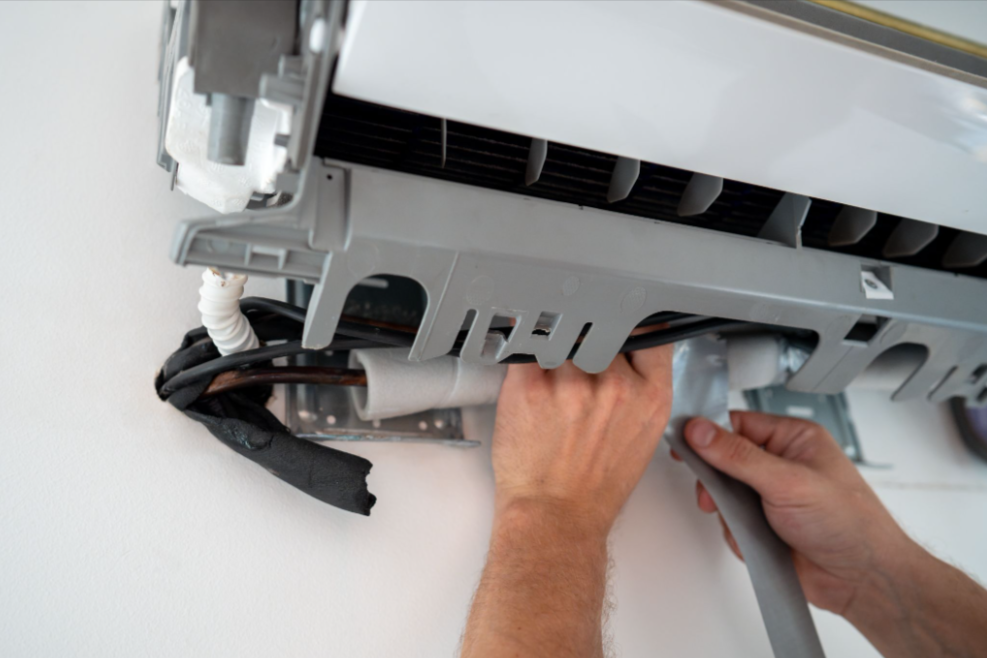
Living near the beautiful NSW coastline comes with a hidden cost for your mechanical appliances. Salt-laden air accelerates the corrosion of the aluminium fins and copper coils found in outdoor units. This corrosion quietly degrades your cooling performance year after year, often significantly shortening the lifespan of the system compared to properties further inland.
Homes across Wollongong, from Fairy Meadow down to Kiama, tend to see this coastal wear-and-tear happen much faster.
Furthermore, high coastal humidity means your system must handle a high volume of condensation. This puts extra strain on internal drains and creates the damp, dark conditions that mould loves. If your aircon has a musty, stale smell when it first kicks on, that is humidity and a dirty indoor coil talking.
Given our local environment, we strongly recommend installing units with specialised anti-corrosive coil coatings (such as Blue Fin or Gold Fin technology) and maintaining them regularly through preventative maintenance.
When to Call a Licensed Technician
You should put down the remote and call a professional if:
- The system is low on refrigerant, or you suspect a gas leak.
- You see ice continually forming on the pipes even after letting it thaw.
- Your switchboard circuit breaker trips repeatedly.
- The outdoor fan or compressor refuses to run.
- You’ve completed all the basic DIY checks, and the air is still blowing warm.
Always check that whoever you book holds a current ARC (Arctick) Licence before they touch the gas side of your system. It is a legal requirement in Australia, and it ensures the work is done safely without voiding your manufacturer’s warranty.
How to Stop It from Happening Again
The vast majority of summer “not cooling” emergency calls can be traced back to issues that a standard preventative service would have caught months earlier.
Booking an annual professional service during the quieter winter or autumn months ensures your system is thoroughly cleaned, electrical connections are checked, drains are cleared, and minor refrigerant leaks are caught before they turn into costly mid-summer breakdowns. In a coastal climate, an annual check-up is the absolute minimum required to protect your investment.
FAQs
Why is my aircon running but blowing warm air?
This is typically caused by a refrigerant leak, a severely clogged air filter blocking airflow, or frozen coils. Start by cleaning your indoor filters. If the air remains warm after an hour of operation, it’s highly likely you need an ARC-licensed technician to check the system’s internal pressures.
Why does my air conditioner cool for a while, then stop?
This behaviour often indicates the system is icing up. Restricted airflow or low refrigerant levels cause the coils to drop below freezing temperature, turning condensation into solid ice. The system will automatically shut down to protect itself, thaw out for over an hour, and then restart the cycle. It will continue to short-cycle until the root cause is resolved.
Is low refrigerant something I can top up myself?
No. Under Australian law, handling refrigerant gases requires an ARC-licensed technician. Additionally, simply “topping up” a system without locating and sealing the physical leak is a temporary, expensive patch; the gas will simply escape into the atmosphere again.
How often should I service my air conditioner in Wollongong?
We recommend a professional service at least once a year. The combination of coastal salt air and high seasonal humidity makes the Illawarra region particularly tough on outdoor mechanical equipment. Annual maintenance preserves your energy efficiency and prevents unexpected breakdowns when the heat arrives.
Need your air conditioner looked at?
LCS Air has been repairing, maintaining, and installing systems across the Illawarra since 2013.